Magnesium Threonate
Mg-L-threonateThe form that crosses the blood–brain barrier. Sleep depth, working memory, cognitive calm.
Dose · 1.5–2 g, ninety minutes before sleep.
Pair with glycine for deeper effect.
None of these will replace sleep or sunlight. All of them, used patiently, give the cognition a wider runway. No affiliate links — just the molecule and the literature.
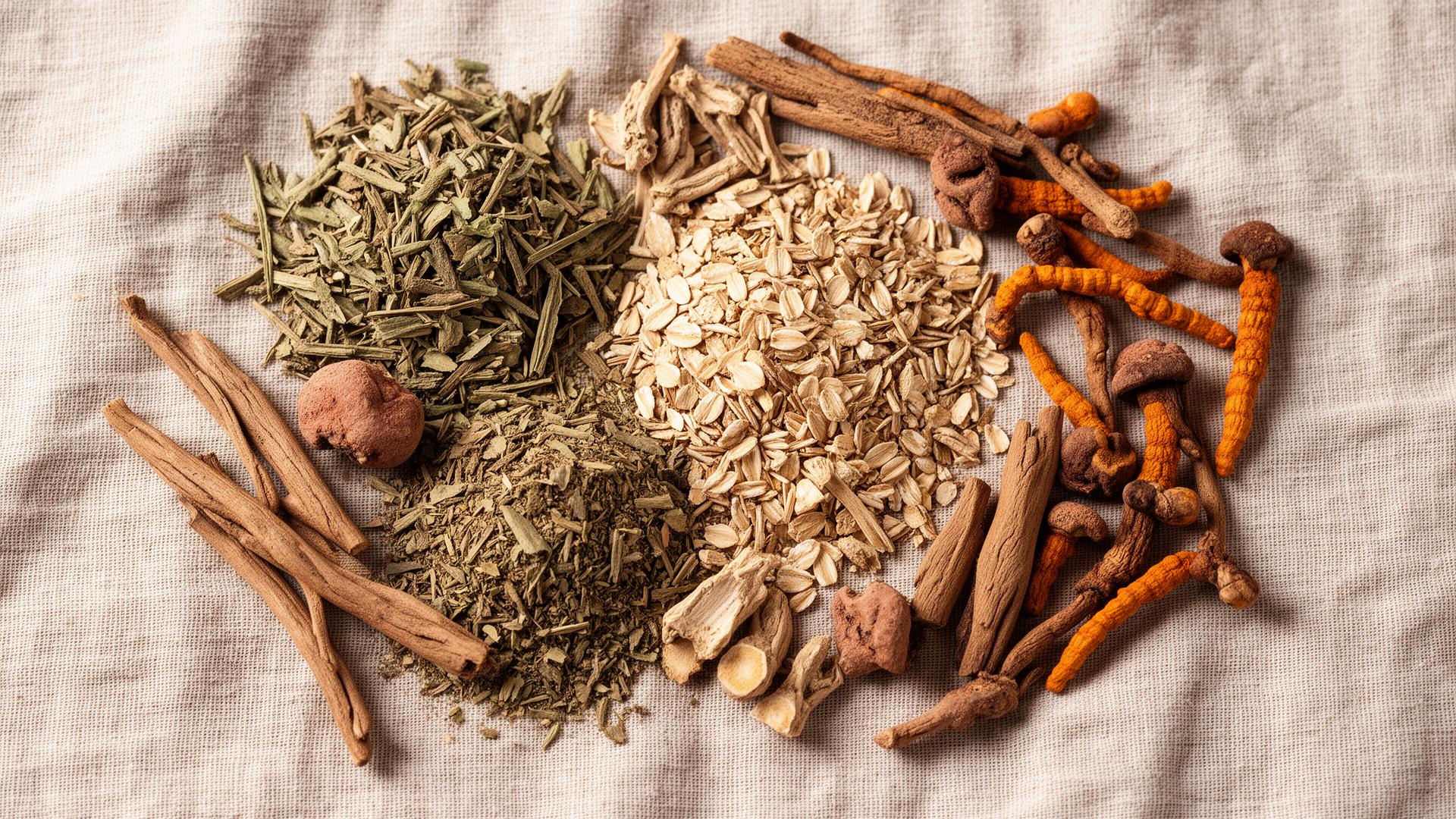
The form that crosses the blood–brain barrier. Sleep depth, working memory, cognitive calm.
Mitochondrial efficiency, oxygen utilisation. Endurance without stimulation.
The active form of B12. Mitochondrial fuel, myelin maintenance, daytime alertness without stimulant load.
Adaptation under chronic load. Lowers evening cortisol; improves sleep architecture.
Nerve growth factor expression. A slow, accumulating clarity.
Acute stress buffering. Mental stamina under deadline.
Smooths caffeine. Raises alpha-wave activity. Calm alert.
This is reference, not prescription. Speak with a clinician familiar with botanicals before adding compounds to medication regimens.
For thirty years creatine was a gym supplement — the white powder at the back of the protein aisle. Lately it has wandered into another aisle entirely: gummies, “brain” blends, and a wave of interest from people who have never lifted anything heavier than a laptop bag. The question worth asking at a desk is not whether it builds muscle. It is whether it does anything for a mind that is running low.
The idea is sound. Stored as phosphocreatine, creatine is the cell’s quick reserve for rebuilding ATP, its working currency of energy, and the brain is among the most energy-hungry tissues in the body. The early evidence was striking. In 2003, Caroline Rae and colleagues at the University of Sydney gave 45 young vegetarians 5 g a day for six weeks in a double-blind crossover trial, and reported clear gains in working memory and on Raven’s Advanced Progressive Matrices, a test of reasoning.
Then came the larger replication. In 2023, Sandkühler and colleagues ran a preregistered crossover trial with 123 adults, half vegetarian and half omnivore, at the same 5 g for six weeks. The result was quieter: a small benefit for working memory that only bordered on significance, none for reasoning, and no extra advantage for vegetarians. Scored like an IQ test, the authors estimated, the gains would come to roughly one to two and a half points. Side effects were reported more often on creatine than on placebo.
Pooled, the picture stays modest. A 2024 meta-analysis by Xu and colleagues gathered 16 randomised trials and 492 adults: a small improvement in memory, rated moderate certainty; low-certainty signals for attention and processing speed; no effect on overall cognition or executive function.
Where creatine looks strongest is the brain under strain. In a small 2024 study at Forschungszentrum Jülich, Gordji-Nejad and colleagues kept 15 young adults awake through the night. A single, very large dose — 0.35 g per kilogram of body weight, more than 20 g for most adults — improved processing speed and short-term memory and eased fatigue, beginning about three hours after the dose and lasting up to nine. The researchers themselves advise against taking a dose that high at home.
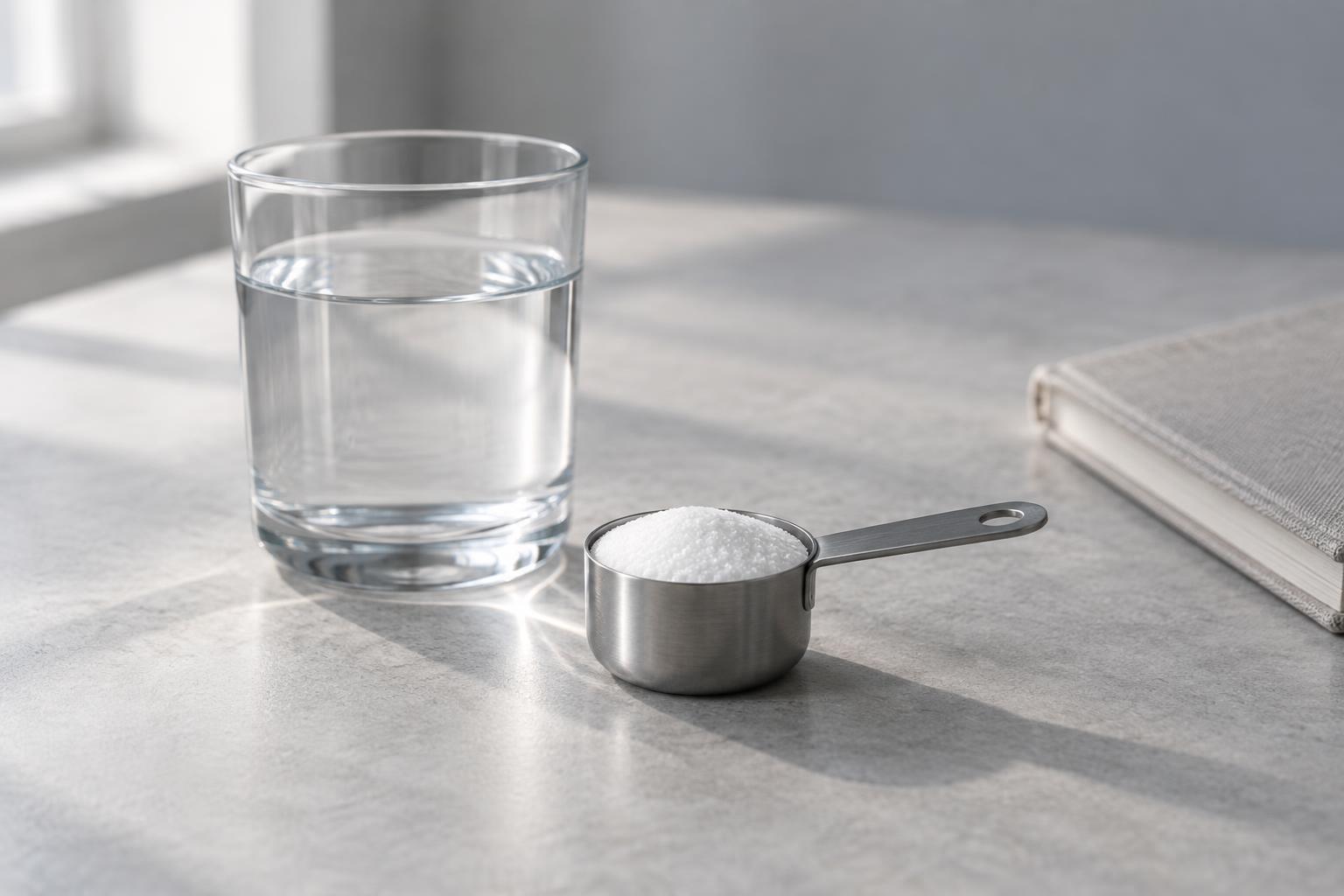
The practice, if you try it: 3–5 g of plain creatine monohydrate a day — the form used in nearly every trial — stirred into water with a meal, at whatever hour you will remember it. Give it a month before you judge it. Prefer a plain, third-party-tested powder to a gummy whose dose is hard to verify. Treat it as a small hedge for long weeks and short nights, not a substitute for sleep.
Creatine raises blood creatinine, a marker read for kidney function, without having been shown to harm healthy kidneys — mention it before bloodwork. If you live with kidney disease or take medication that affects the kidneys, ask a clinician first.
Rae et al., Proceedings of the Royal Society B (2003); Sandkühler et al., BMC Medicine (2023); Xu et al., Frontiers in Nutrition (2024); Gordji-Nejad et al., Scientific Reports (2024); Kreider et al., Journal of the International Society of Sports Nutrition (2017); Antonio et al., Journal of the International Society of Sports Nutrition (2021).